
The process begins with design, where 3D models are directly translated into die fabrication at our in-house die machining centre, ensuring accuracy from the very first stage.
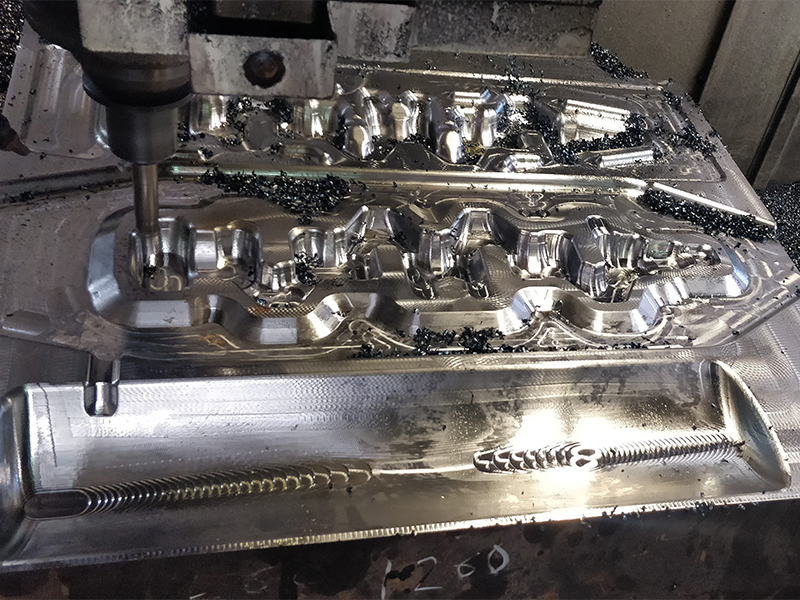
The Design & Fabrication of all types of dies are done through exporting the 3D Model into our Die machining centre.
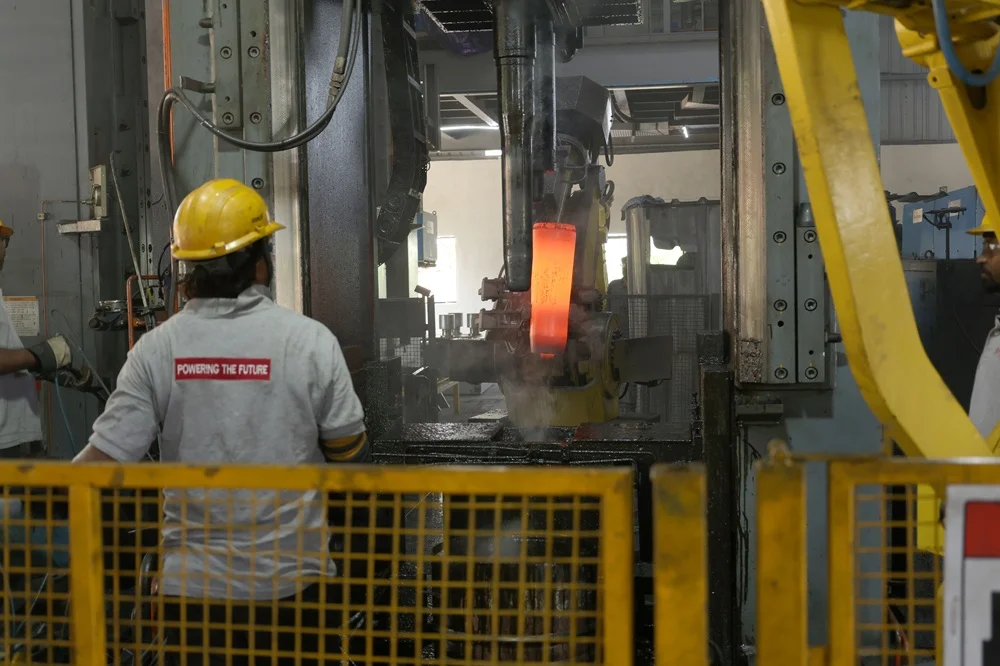
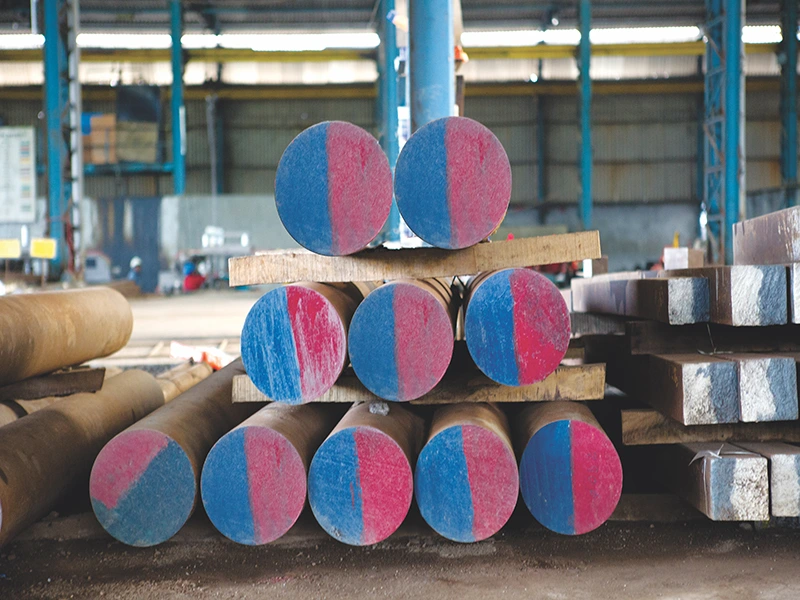
Prototype and production components are forged using 10T, 16T, and 25T forging Hydraulic hammers, as well as an 8,000T mechanical press, based on product geometry, application requirements, and customer specifications.

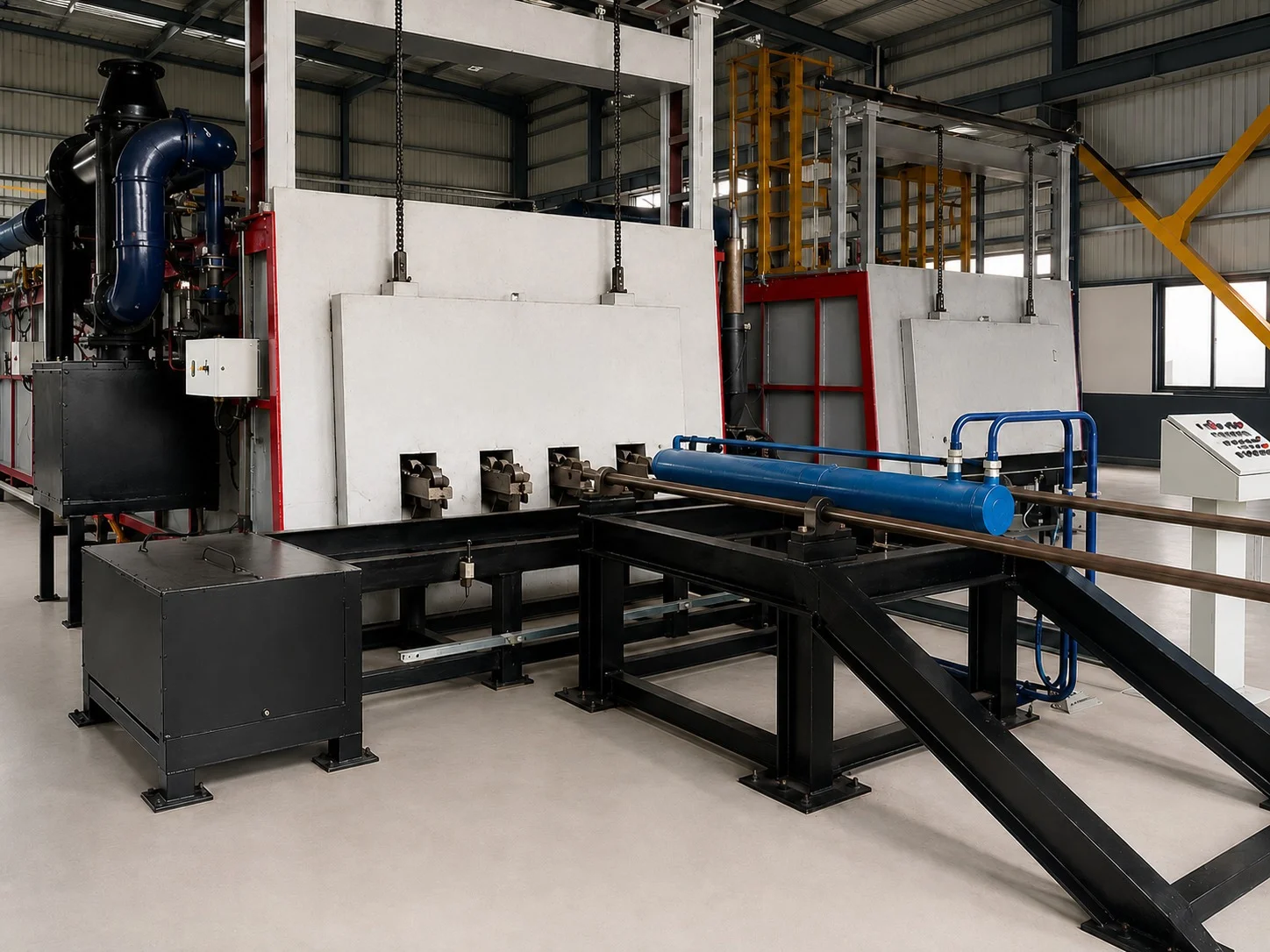
Each component undergoes a controlled heat treatment process, followed by 100% Magnaflux crack detection, ensuring optimal mechanical properties and structural integrity before proceeding to machining.
Material properties and composition are thoroughly verified at our in-house R&D laboratory and testing centre, ensuring consistency and performance before machining begins.
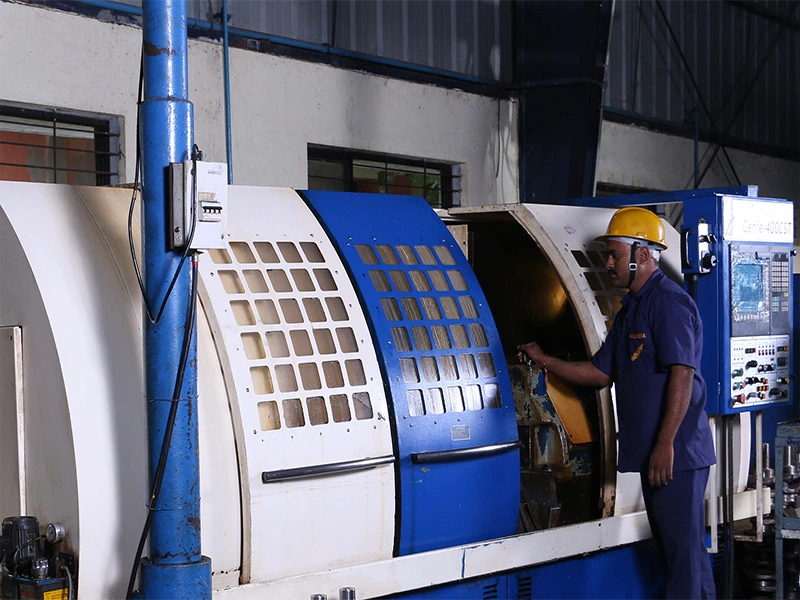
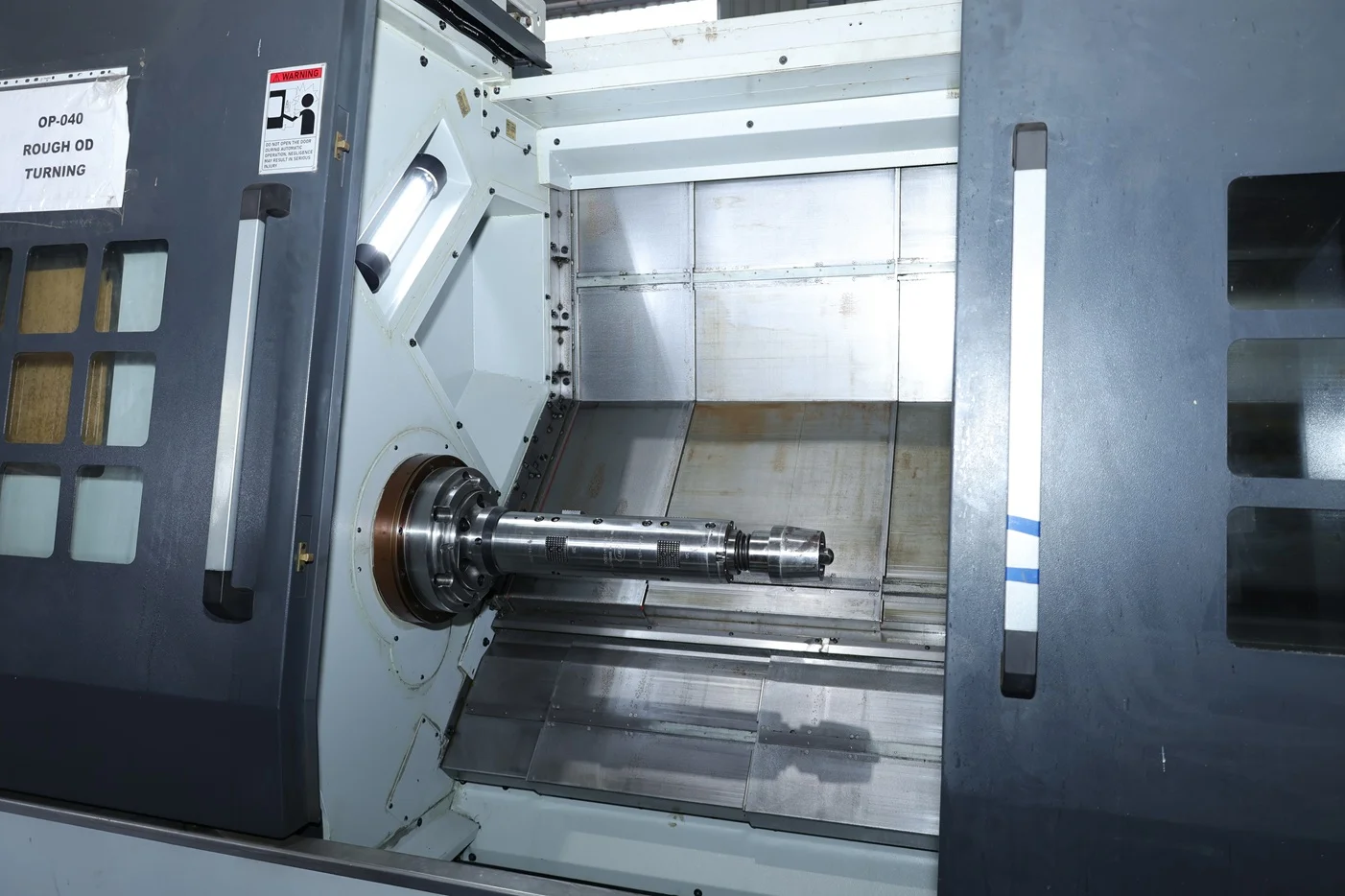
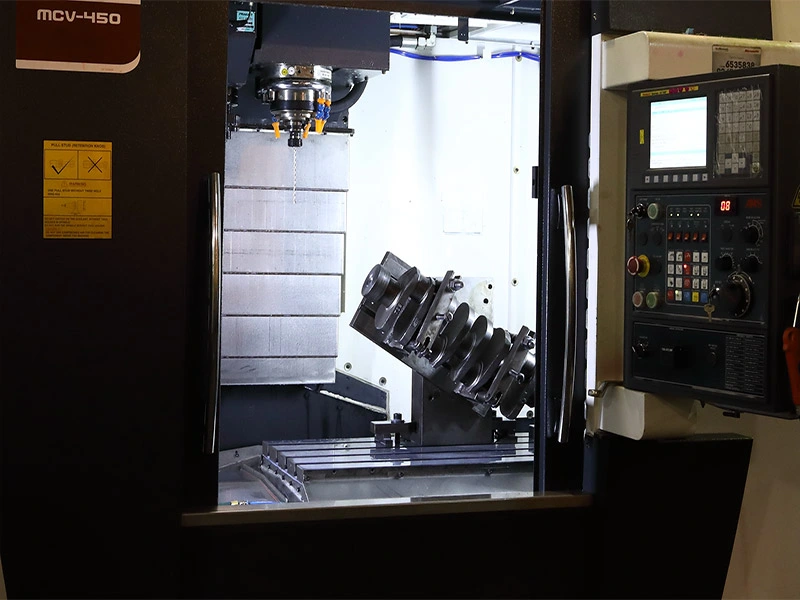
Initial operations such as facing, centering, turning, milling, and oil hole drilling are carried out on CNC machines within the rough machining unit.
The finishing stage includes CNC grinding, dynamic balancing, post-grinding operations, superfinishing, along with accessory integration and assembly, delivering precision at every level.
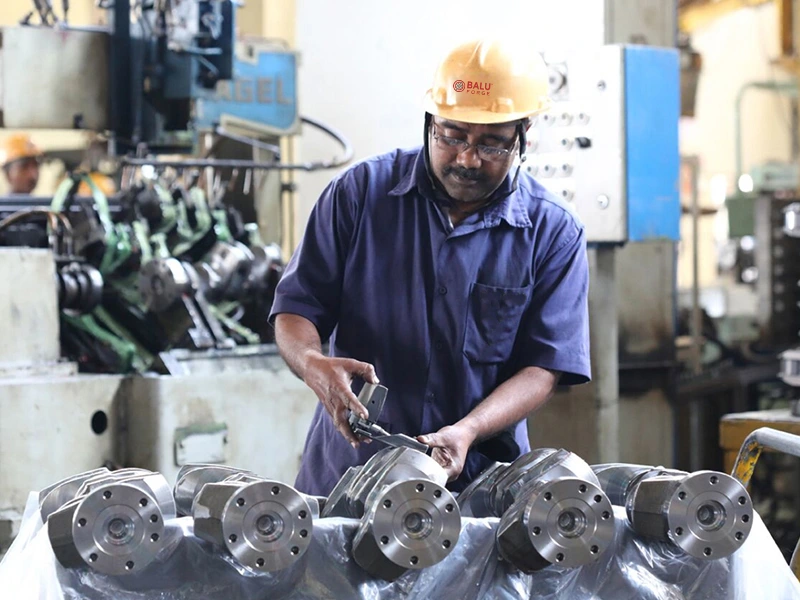
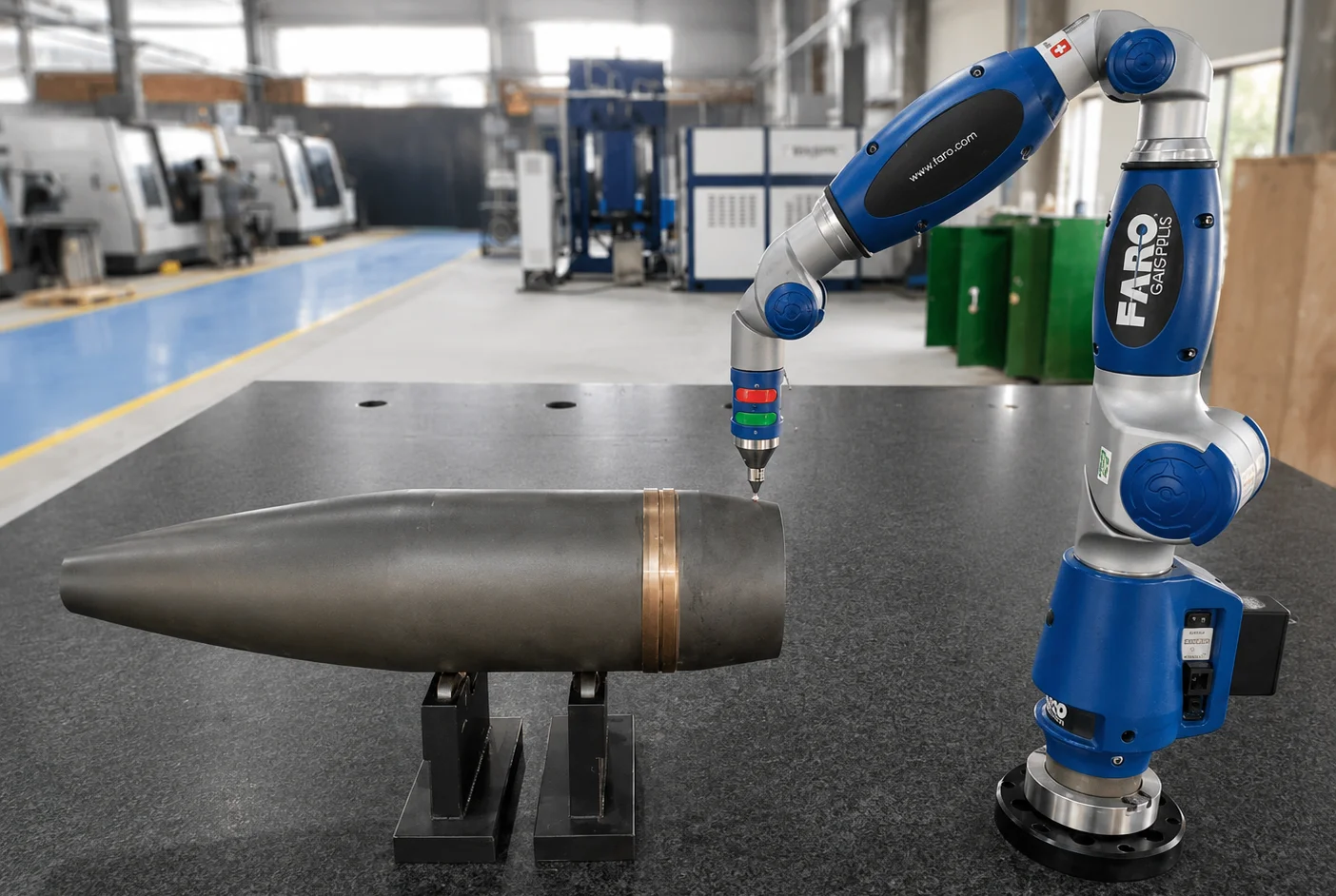
Our in-house R&D laboratory and testing centre conduct comprehensive quality checks, including metallurgical analysis, crack detection, fatigue and durability testing, and dimensional inspection, ensuring every component meets stringent quality standards before dispatch
Integrated design, development, and manufacturing processes for faster and efficient product execution.
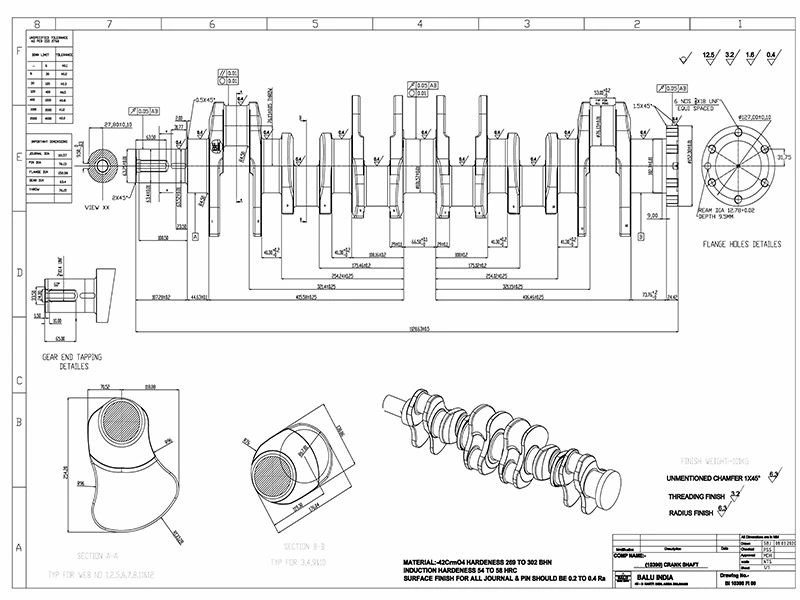
New components are developed based on customer drawings, specifications, or samples, providing the necessary inputs to initiate the product development process.
Designs and specifications are translated into detailed CAD and 3D models, forming the foundation for accurate product development.

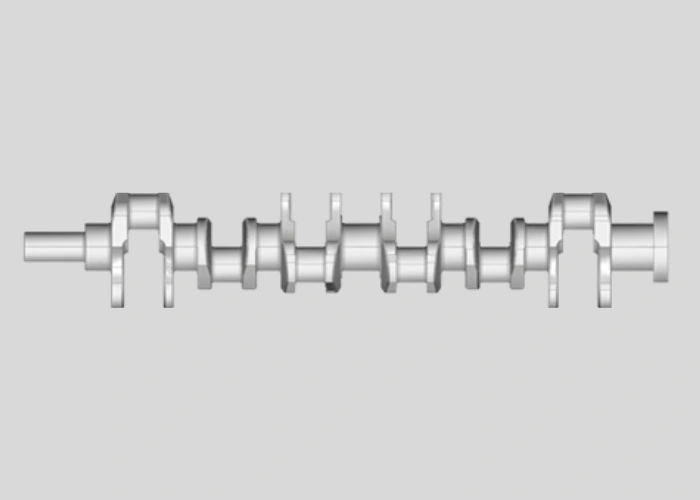
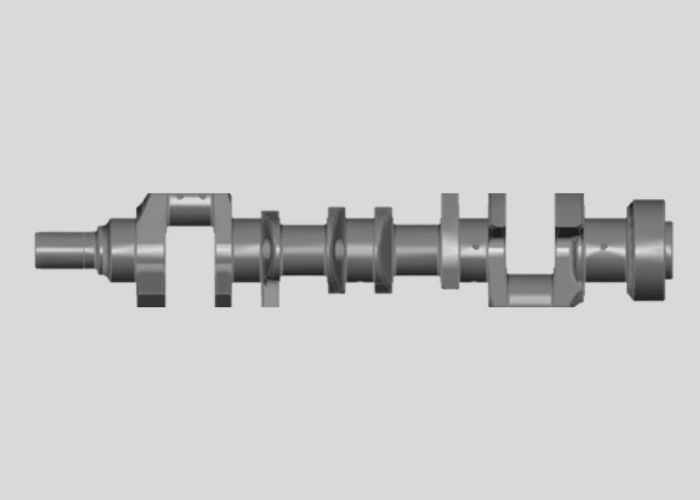
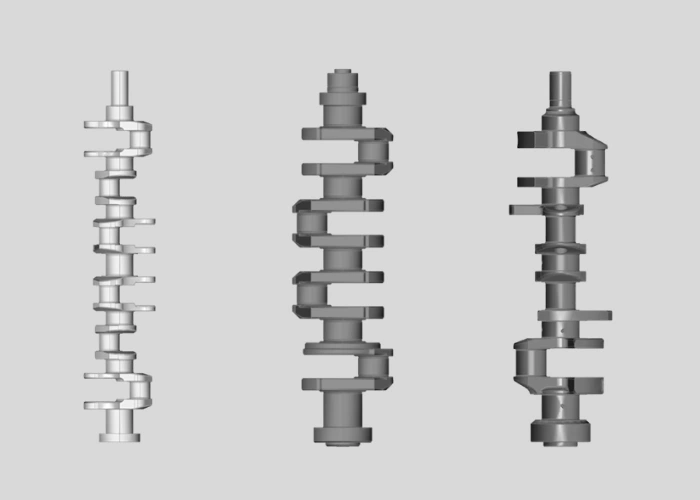
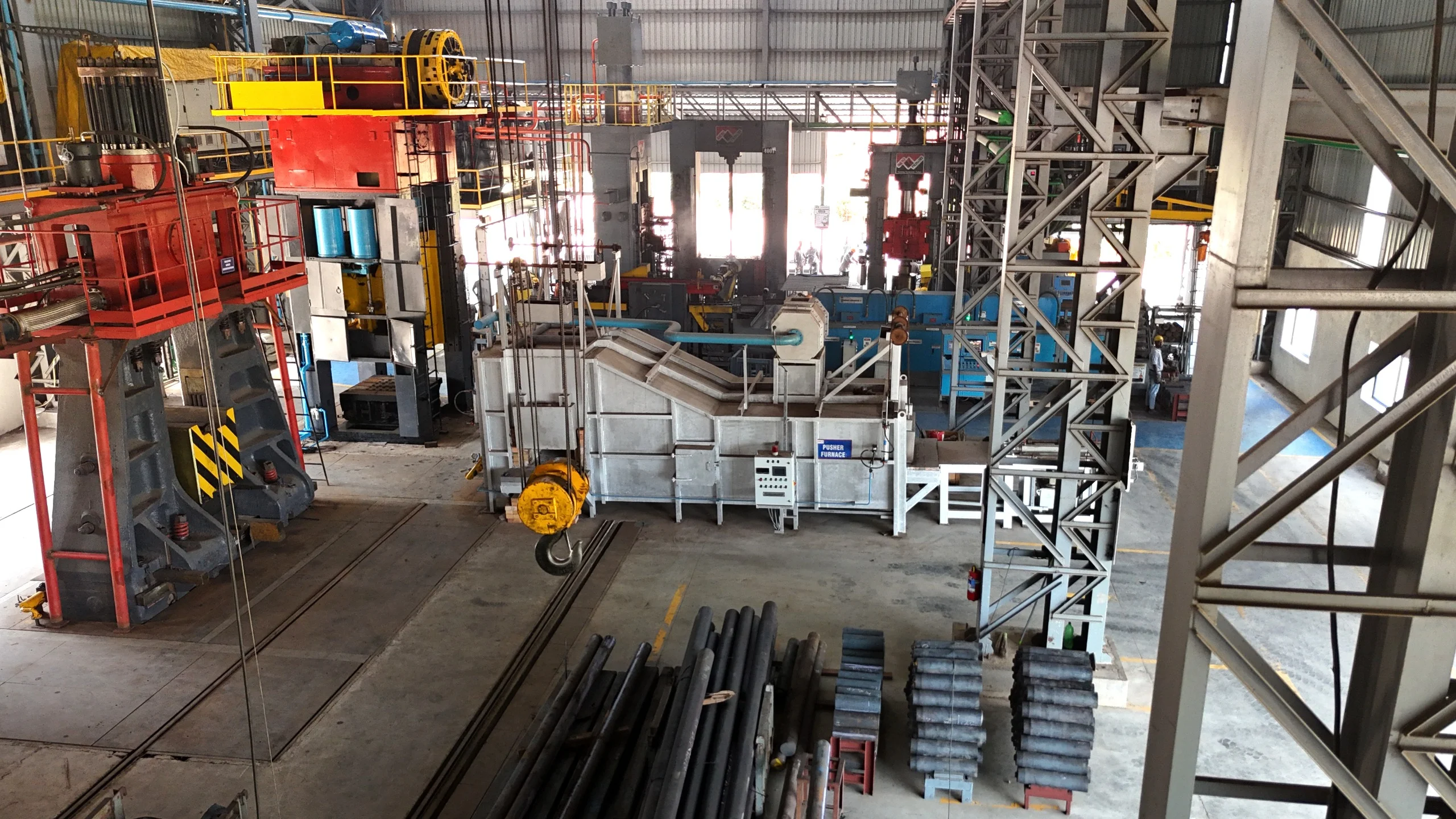
Manufacturing processes are defined alongside material selection, based on required chemical composition, engine application, or customer specifications—validated through our in-house R&D and metallurgical lab.
All materials undergo rigorous testing and validation at our R&D laboratory to ensure the right properties and performance before production begins.
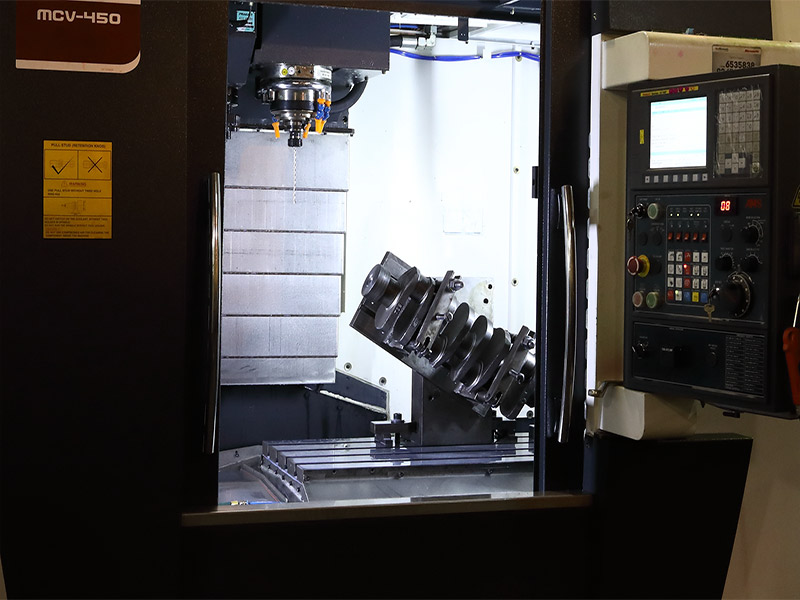
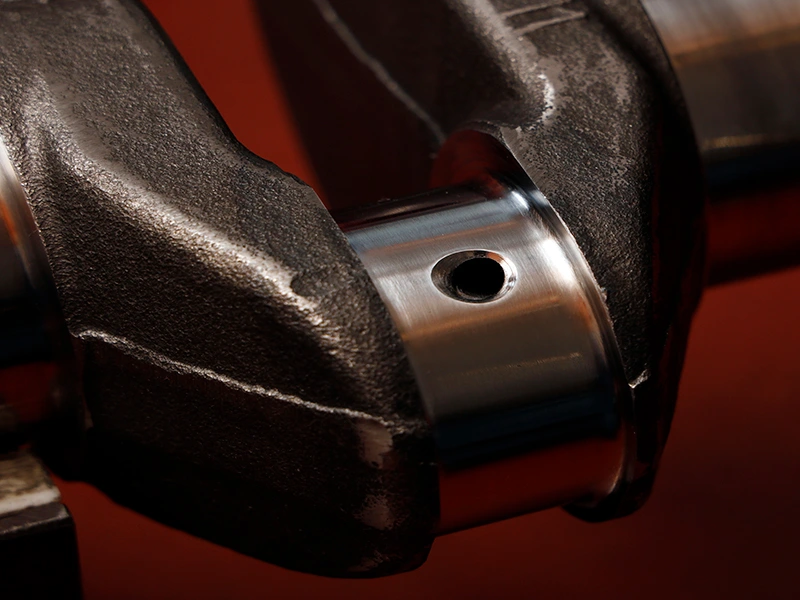
Our dedicated Prototype Development division enables parallel manufacturing and rapid product development without impacting ongoing production. This integrated capability allows us to accelerate new product introductions, validate designs efficiently, and seamlessly transition from prototype to serial production.
Every component undergoes rigorous evaluation at our in-house testing centre to verify its dimensional accuracy, mechanical properties, durability, and overall performance. Using advanced inspection and testing methodologies, we ensure each component meets stringent quality standards and customer specifications, delivering consistent reliability for demanding applications.
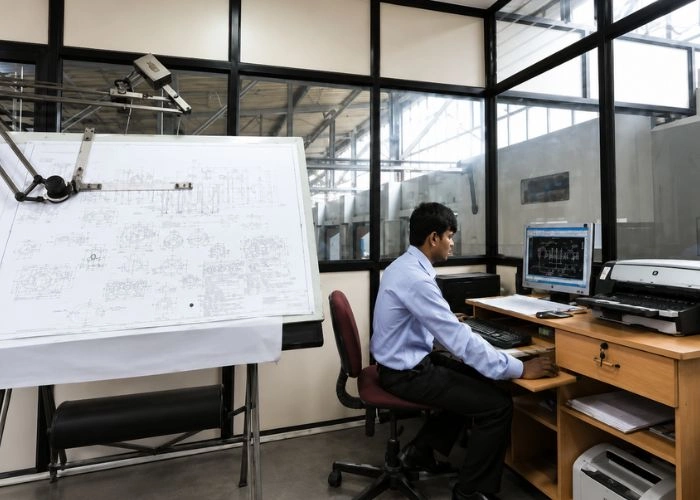
The process concludes with complete documentation, including detailed drawings and production layouts, ensuring seamless transition to full-scale manufacturing.
Research & Development is at the core of our commitment to innovation, engineering excellence, and sustainable growth. Our dedicated R&D centre focuses on developing advanced forging and precision-engineered components while enabling us to address the evolving needs of global industries.
Driven by a culture of continuous improvement, our R&D team works on new product development, process optimisation, material enhancement, and manufacturing innovations to expand our product portfolio, improve product performance, and enhance operational efficiency.
By collaborating closely with customers, technology institutes, and leading universities, we accelerate product development, validate advanced manufacturing processes, and deliver innovative engineering solutions that create long-term value for our customers.